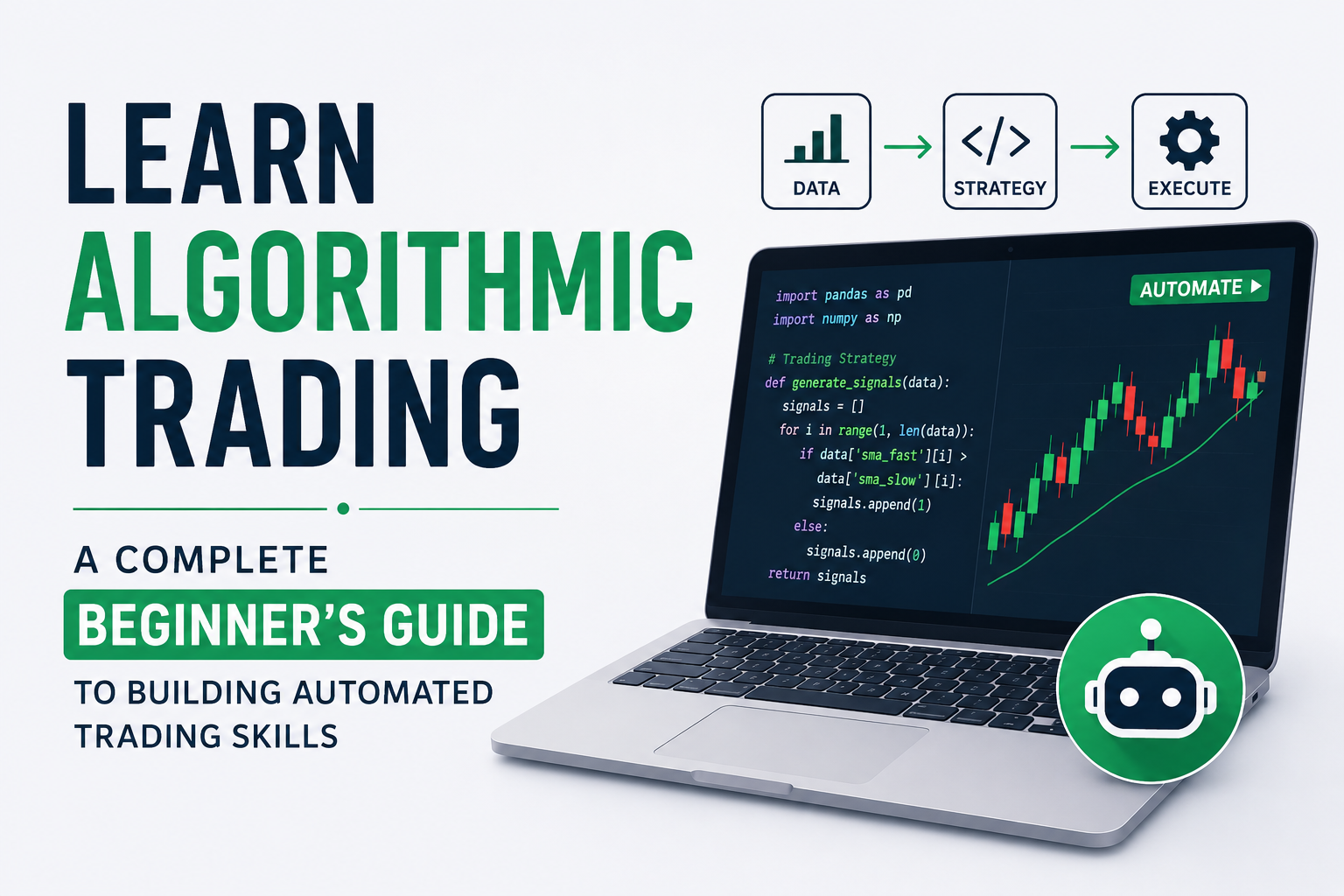


A market making strategy crypto involves placing simultaneous buy and sell orders around the current market price to profit from the bid-ask spread while providing liquidity. The most effective approach combines tight spreads, dynamic pricing, inventory control, and risk management. Traders succeed by automating execution, adapting to volatility, and minimizing exposure while consistently capturing small, repeatable profits.
Introduction
In the fast-moving world of crypto trading, volatility is both an opportunity and a risk. While most traders chase price trends, a different class of participants—market makers—profit regardless of direction. A well-executed market making strategy crypto allows traders to generate consistent returns by capturing spreads instead of predicting price movements.
However, this isn’t as simple as placing two orders and waiting. Successful execution requires precision, automation, and deep market understanding. In this guide, you’ll learn how a crypto market maker strategy works, how professionals approach it, and how you can build your own system with confidence.
What Is a Market Making Strategy in Crypto?
Definition (Featured Snippet)
A market making strategy crypto is a trading approach where a trader or algorithm continuously places buy and sell orders at different price levels to profit from the spread between them. By providing liquidity, market makers earn small but frequent profits while maintaining balanced exposure to price movements.
Understanding How Crypto Market Maker Strategy Works
At its core, market making is about liquidity provision. Exchanges rely on market makers to ensure there are always buyers and sellers available.
Here’s how it works:
- A trader places a buy order (bid) slightly below market price
- Simultaneously places a sell order (ask) slightly above market price
- When both orders are filled, the spread becomes profit
Example:
- Buy Bitcoin at $60,000
- Sell Bitcoin at $60,100
- Profit = $100 (minus fees)
While this looks simple, scaling it requires automation, speed, and precision.
Step-by-Step: How to Execute a Market Making Strategy Crypto
Time needed: 1 hour and 30 minutes
Learn how to execute a market making strategy crypto step-by-step, including exchange selection, spread setting, order placement, automation, and risk management techniques.
- Step 1: Choose the Right Exchange
Select a platform with:
High liquidity
Low trading fees
Strong API support - Step 2: Define Your Spread
Your spread should depend on:
Market volatility
Trading volume
Competition
Tighter spreads = more trades but lower profit per trade. - Step 3: Place Simultaneous Orders
Limit buy orders below market price
Limit sell orders above market price - Step 4: Manage Inventory Risk
Avoid holding too much of one asset:
If price drops, you’re exposed
Use rebalancing strategies - Step 5: Automate the Strategy
Manual execution is inefficient. Use:
Trading bots
Algorithmic systems - Step 6: Adjust Dynamically
Markets change constantly. Therefore:
Widen spreads during volatility
Narrow spreads in stable conditions
Types of Crypto Market Maker Strategy
1. Basic Spread Trading
The simplest form:
- Fixed buy/sell orders
- Static spread
Best for beginners but limited in scalability.
2. Dynamic Market Making Strategy Crypto
Adjusts based on:
- Volatility
- Order book depth
- Price momentum
This is what professional traders use.
3. Inventory-Based Strategy
Focuses on balancing holdings:
- Reduces risk exposure
- Uses skewed pricing to rebalance
4. Statistical Arbitrage Market Making
Combines:
- Market making
- Arbitrage opportunities
Advanced but highly profitable when executed correctly.
Key Components of a Profitable Market Making Strategy Crypto
1. Spread Optimization
Too tight:
- High frequency but low margin
Too wide:
- Low execution rate
Balance is critical.
2. Latency and Speed
Execution speed determines:
- Order priority
- Fill rates
Professional market makers use:
- Low-latency systems
- Co-located servers
3. Fee Structure Awareness
Even a profitable spread can turn negative due to fees. Always:
- Calculate net profit after fees
- Use maker rebates where available
4. Risk Management
This is where most beginners fail.
Key risks:
- Sudden price movement
- Inventory imbalance
- Low liquidity
Mitigation strategies:
- Stop-loss systems
- Position limits
- Hedging
Real-World Example of Market Making Strategy Crypto
Consider a trader operating on a mid-cap altcoin:
- Spread set at 0.5%
- Executes 200 trades per day
- Average profit per trade: $2
Daily profit:
- 200 × $2 = $400
However, during high volatility:
- Spread widened to 1%
- Fewer trades but higher margins
This adaptability is what separates professionals from amateurs.
Comparison: Market Making vs Other Crypto Trading Strategies
| Strategy | Risk Level | Profit Type | Skill Required |
|---|---|---|---|
| Market Making Strategy Crypto | Medium | Consistent small gains | High |
| Day Trading | High | Directional profits | High |
| Swing Trading | Medium | Medium-term gains | Medium |
| HODLing | Low | Long-term appreciation | Low |
Key Insight:
Unlike directional trading, a crypto market maker strategy thrives in both bullish and bearish markets.
Common Mistakes in Market Making Strategy Crypto
1. Ignoring Fees
Many traders overlook:
- Exchange fees
- Slippage
This erodes profit margins quickly.
2. Overexposure to Inventory
Holding too much of one asset can:
- Amplify losses
- Reduce flexibility
3. Lack of Automation
Manual trading leads to:
- Missed opportunities
- Slow execution
4. Poor Risk Controls
Without strict rules:
- Losses compound rapidly
Advanced Strategies for Professionals
1. Order Book Analysis
Understanding depth helps:
- Predict liquidity zones
- Place optimal orders
2. AI-Driven Market Making
Modern strategies use:
- Machine learning
- Predictive models
3. Cross-Exchange Market Making
Profit from price differences across exchanges while maintaining liquidity.
FAQ: Market Making Strategy Crypto
Yes, when executed correctly with proper risk management and automation, it can generate consistent profits.
Yes. Manual execution is inefficient and cannot compete with algorithmic traders.
Inventory risk and sudden market volatility are the biggest threats.
You can start small, but higher capital improves scalability and profitability.
High-liquidity pairs with tight spreads are ideal.
Yes, but starting with simple strategies and gradually scaling is recommended.
They profit from the bid-ask spread and sometimes exchange incentives.
Conclusion
A well-designed market making strategy crypto is one of the most powerful ways to generate consistent income in the crypto market. Instead of predicting price direction, you focus on liquidity, execution, and efficiency.
However, success doesn’t come from basic setups. It comes from:
- Smart spread management
- Automation
- Risk control
- Continuous optimization
If you’re serious about scaling your crypto trading, mastering a crypto market maker strategy can give you a long-term edge.